How to Start Trading as a Beginner with Practical Steps in 2026
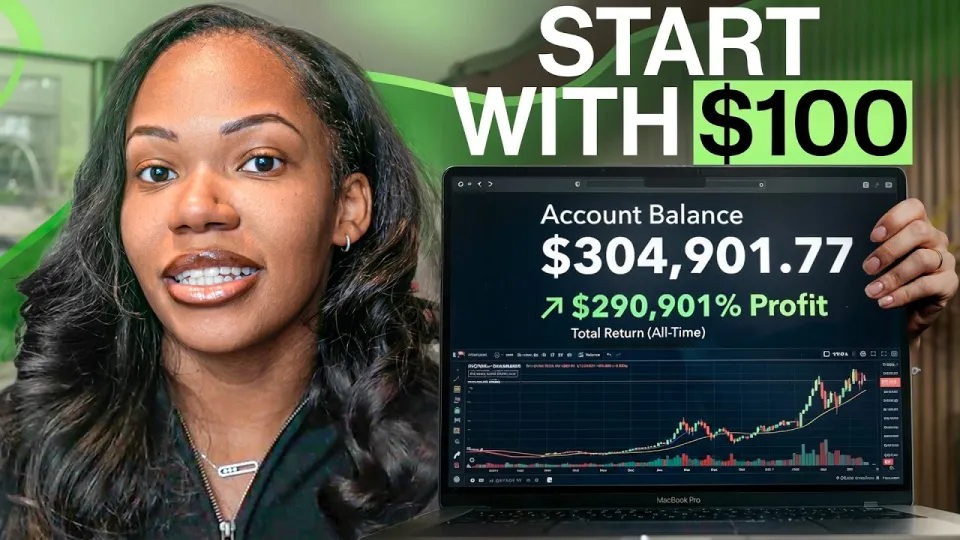
Video: How To Start Trading As A Beginner In 2026 (Step-by-Step)
· based on the channel Sierra Aaliyah
Trading is the act of buying and selling financial instruments like stocks, options, or futures to profit from price movements. For beginners in 2026, the best way to start trading is by educating yourself on the fundamentals, choosing the right tools, and practicing with simulated accounts before risking real capital. A proven beginner-friendly approach includes understanding basic concepts such as calls and puts, options versus futures, and market structure. To get started, consider joining a trading community or mentorship program for guidance, like the one offered by Sierra Aaliyah at Crystal Academy.
Understanding What Trading Really Is
Trading is not gambling or a get-rich-quick scheme but a skill-based activity involving analysis, discipline, and risk management. It involves speculating on the price direction of assets with the goal of buying low and selling high or selling high and buying back lower. Beginners should avoid misconceptions such as needing huge amounts of money upfront; starting with as little as $300 to $2,000 is realistic and recommended. Key to success is viewing trading as a long-term learning process, not an instant payday.
Calls and Puts Explained Simply
Options trading can be intimidating, but at its core, it revolves around two types of contracts: calls and puts. A call option gives you the right to buy an asset at a specific price before expiry, useful when you expect the price to rise. A put option gives you the right to sell at a set price, beneficial if you predict a price drop. Understanding these basics empowers traders to hedge risks or speculate on market moves effectively without complex jargon.
Options vs Futures and Choosing Your Style
Options and futures are both derivative instruments but differ in risk, commitment, and complexity. Futures contracts obligate you to buy or sell an asset at a future date, often requiring larger capital and carrying higher risk. Options, on the other hand, provide the right but not the obligation to execute trades, offering more flexibility. Beginners with limited time usually find options more adaptable to their schedules, while futures may suit those seeking full-time trading with higher risk tolerance.
Essential Tools: Brokers and Charting Platforms
Selecting the right broker and charting software is crucial for beginner traders. Sierra Aaliyah recommends Webull as a user-friendly broker that offers commission-free trading and free stocks upon sign-up via this link. For chart analysis, TradingView is widely used for its intuitive interface and extensive indicators, making it ideal for learning how to read candlesticks and understand market trends.
Mastering the Three Core Concepts Before Trading Real Money
Before risking capital, focus on mastering these three concepts:
- Market Structure – Learn how markets move in trends and recognize support and resistance levels.
- Candlestick Reading – Understand price action through candlestick patterns to anticipate reversals or continuations.
- Trading Psychology – Cultivate patience, discipline, and emotional control to avoid impulsive decisions that lead to losses.
These fundamentals form the foundation for consistent profitability.
Common Challenges for Beginners and How to Overcome Them
Most beginners quit within the first two months due to losses, frustration, or unrealistic expectations. Real trading success requires patience, continuous learning, and accepting losses as part of the process. Paper trading (simulated trading) is essential to build confidence and test strategies without financial risk. If you cannot double $1,000 on paper, risking real money is premature. Avoid chasing quick profits and focus on steady progress.
Real Experiences and Motivation from the Trading Community
Many traders share stories of losing money initially but persisting to achieve steady gains. For example, some start with small accounts ($500–$3,000) and after months of study and practice, reach consistent daily profits. Mentorship and joining active trading communities provide support and accountability that help beginners avoid common pitfalls. Remember, trading is a skill developed over years, not overnight.
Useful Resources to Begin Your Trading Journey
- Join Sierra Aaliyah's trading mentorship and community here: Crystal Academy
- Sign up for Webull broker with bonus stocks: https://www.webull.com/k/SierraUSA
- Follow Sierra on Instagram: https://www.instagram.com/sierra.aaliyah/
- Explore TradingView platform for charting: https://www.tradingview.com
Conclusion
Starting trading as a beginner in 2026 requires a solid understanding of the basics, realistic expectations, and disciplined practice. By learning what trading truly entails, mastering calls and puts, choosing suitable instruments like options or futures, and using recommended tools such as Webull and TradingView, newcomers can build a strong foundation. Importantly, developing the right mindset and patience is essential to avoid early burnout. The guidance from experienced traders like Sierra Aaliyah and joining supportive communities can accelerate your progress and help you avoid common mistakes. Begin with education, practice with paper trading, and steadily work toward consistency.
For those ready to start, join Sierra Aaliyah's mentorship program at Crystal Academy and take your first step toward trading success.
Key takeaways
- Start trading with $300–$2,000 recommended capital
- Understand calls and puts before trading options
- Use Webull as a broker and TradingView for charting
- Master market structure, candlesticks, and psychology first
- Paper trade to build consistency before real money trading
Questions & answers
Is it necessary to have a large amount of money to start trading?
No, you do not need a large sum to begin trading. Starting with $300 to $2,000 is recommended for beginners to manage risk and learn effectively.
What is the difference between calls and puts in options trading?
Calls give you the right to buy an asset at a set price before expiration, useful if you expect prices to rise. Puts give you the right to sell at a set price, helpful if you expect prices to fall.
Why do most beginners quit trading within two months?
Many beginners quit due to early losses, frustration, and unrealistic expectations. Without proper education, practice, and mindset, the challenges of trading can feel overwhelming.
How important is paper trading before using real money?
Paper trading is crucial as it allows you to practice strategies and build confidence without financial risk. If you cannot consistently make profits on paper, using real money is premature and risky.
Source: How To Start Trading As A Beginner In 2026 (Step-by-Step) · Markdown version